The Intersection of Portable Technology and Dynamic Pricing in British Equine and Racquet Sport Wagering
Written by Amir Keller · Aug 26, 2026
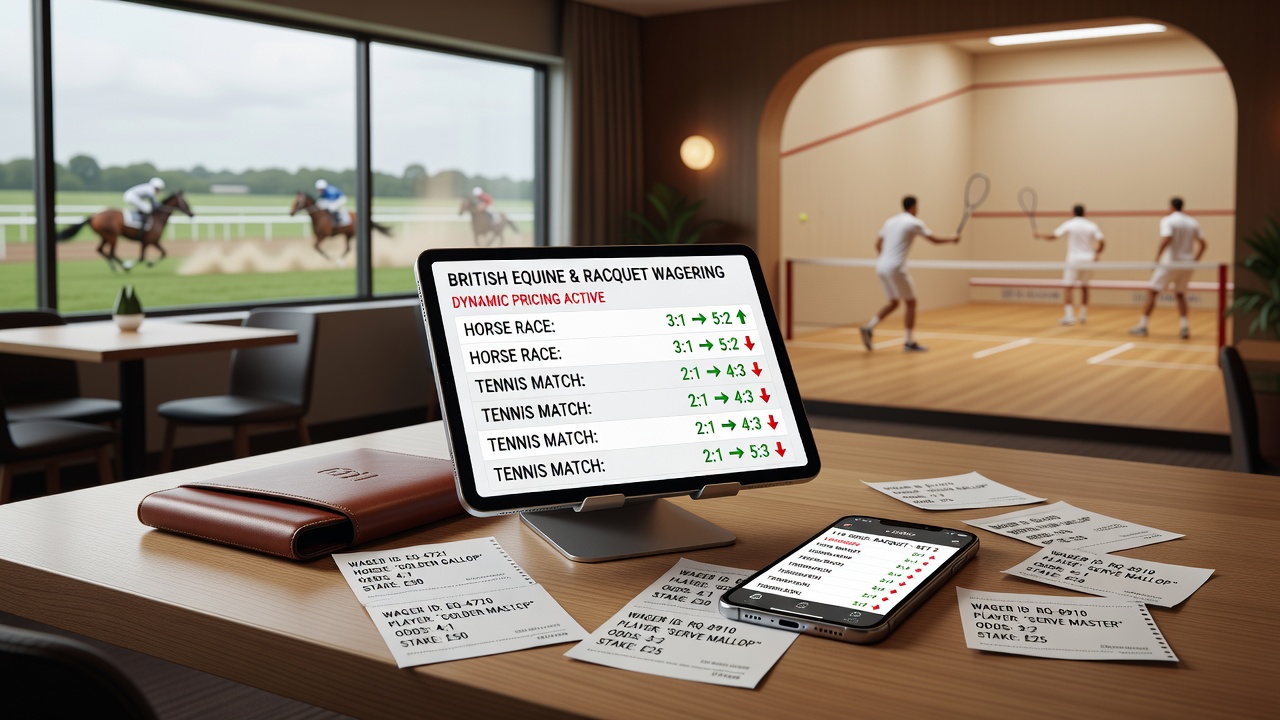
The Intersection of Portable Technology and Dynamic Pricing in British Equine and Racquet Sport Wagering
Portable technology has reshaped access to betting markets across equine and racquet sports in Britain, where mobile applications now deliver real-time data streams directly to users during events. Smartphones and tablets connect bettors to platforms that adjust odds based on incoming information such as player performance metrics or track conditions, creating fluid pricing models that respond within seconds. This shift coincides with broader adoption of 5G networks that support uninterrupted data exchange even at crowded venues like Ascot or Wimbledon.
Portable Devices and Real-Time Data Integration
Devices carried by spectators allow immediate interaction with wagering systems, where applications pull live feeds from sensors on horses or court-side cameras tracking ball speeds in racquet matches. Researchers at institutions studying digital interfaces note that these tools reduce latency between event occurrences and market updates, enabling participants to place wagers informed by the latest statistics. Data from industry reports indicate that mobile sessions account for the majority of activity in these sports during peak summer periods.
Equine events benefit particularly from location-based services that alert users to changes in form or weather, while racquet sport platforms incorporate video highlights that refresh pricing automatically. Those who analyze usage patterns observe consistent growth in session lengths when applications combine notifications with simplified deposit functions. By August 2026 projections from technology analysts suggest further integration of wearable devices that could stream biometric data from athletes directly into pricing algorithms.
Mechanics of Dynamic Pricing in These Markets
Dynamic pricing relies on algorithms that recalculate odds according to volume, external variables, and participant behavior, differing from static pre-event lines used in earlier decades. In equine wagering this means adjustments based on late scratches or betting surges from international pools, whereas racquet sport markets respond to point-by-point developments that alter implied probabilities. Studies published through academic channels show these systems maintain liquidity by balancing risk across thousands of simultaneous users.

Portable access amplifies the effect because users receive instant alerts when prices move, prompting quicker decisions than desktop interfaces allow. According to findings from the Gambling Research Exchange Ontario, mobile-driven volume increases correlate with more frequent price oscillations in fast-paced sports. Operators therefore deploy cloud-based computing to handle the computational load without delays that could frustrate participants.
Application in Equine Sports
British horse racing circuits have incorporated portable technology to support in-play markets on individual races, where dynamic adjustments reflect pace data collected from embedded chips. Bettors at tracks or watching remotely receive updates on stride rates and position changes that influence odds throughout the event. Evidence from sector analyses reveals higher engagement levels when applications display historical comparisons alongside current pricing.
Trainers and analysts contribute indirect inputs through public statements that algorithms scan for sentiment shifts, adding another layer to the pricing process. This creates opportunities for markets to evolve rapidly in response to news emerging minutes before post time, a pattern documented in multiple race-day reports.
Application in Racquet Sports
Racquet competitions such as tennis tournaments held in Britain feature dynamic pricing tied to serve percentages, error rates, and fatigue indicators captured through portable viewing technology. Users access these metrics via apps that update after every point, allowing wagers on next-game outcomes with odds that shift continuously. Research compiled by the Victorian Responsible Gambling Foundation highlights how such granularity appeals to audiences seeking granular control over their stakes.
Portable connectivity proves essential during extended matches where conditions like court surface wear or player injuries emerge gradually, prompting sustained price revisions. Observers note that integrated video replays within the same interface reinforce the connection between observed events and adjusted markets.
Regulatory and Infrastructure Context
British frameworks governing these activities emphasize transparency in algorithmic operations, requiring operators to disclose factors that trigger price changes. Infrastructure investments in nationwide broadband support the data demands of portable platforms, while venue-specific Wi-Fi enhancements ensure reliable connections at major equine and racquet events. Figures from European technology assessments indicate steady improvements in network capacity that align with rising mobile participation rates.
Conclusion
The convergence of portable technology and dynamic pricing continues to define wagering experiences in British equine and racquet sports through integrated data flows and responsive market mechanisms. Continued infrastructure developments through 2026 and beyond will likely sustain these patterns, with algorithms drawing on expanding datasets to refine adjustments across both categories of events.